

Redemocratize
Envisioning Resilient Democracy
In the Open, For the Living
Thomas Jefferson wrote that Earth belongs always to the living.
Yet we live by the shadows of the dead.
Societies that entrench hereditary privilege inevitably collapse.
With collapse comes the spark of opportunity.
When the embers burn out, will democracy be ready?
We can never defeat our shadows. But we can spark our own flame.
Join us in designing the next great democracy. For the living.
Diagnosing
The Problem

Across the democratic world, reform movements fight for change within systems that were designed to resist it. They do essential work, but the deck is stacked against them.
The heirs of colonial privilege guard rules written to entrench their power, which they wield to bend the rules further in their favor. Reform from within this system can only win incremental concessions, extracted through enormous effort and easily rolled back.
This is why reform alone is not enough. The failures compound. Constitutional frameworks that provide no mechanism for their own renewal have consumed their corrective capacity. Each breakdown creates the conditions for the next. The loop tightens with every turn.
Buckminster Fuller taught us:
"You never change things by fighting the existing reality. To change something, build a new model that makes the existing model obsolete."
We need new models for democracy. Redemocratize is building them.

Innovation for the Future
Our Approach
Redemocratize is not a political campaign, a reform movement, or a policy platform. It is not enough to fight existing structures from within. We must dream, think, and invent new models into existence.
We start from design principles that draw on the broadest possible understanding of how living systems thrive. The principles take inspiration from nature, indigenous wisdom, history, systems theory, and deep contemplation.
These principles address threats that no existing constitution was designed for, from algorithmic manipulation of public discourse to the unraveling of the living systems that sustain us. These are not theoretical risks. They are crises unfolding in real time, which existing democratic models fail to see, let alone meet.
The principles are the architecture of democracy for the living. They serve as building blocks upon which resilient self-governance can be constructed. We evaluate institutional designs by how well they serve the principles, not by how closely they resemble what exists.
We invite collaborators to challenge, refine, and extend this architecture, and use it to solve specific governance challenges and imagine new democratic forms. We provide the tools and the space for this creative exploration.
Redemocratize works like an open-source project or an open access journal. The principles are developed in the open. Contributions are encouraged. Everything is versioned, transparent, and revisable, because a project advocating for adaptive governance must first practice it.
We are just getting started, and the present moment has never had more to teach us.
You are invited to join us in designing democracy that is of the living, by the living, for the living. To protect life, not privilege.

The Fifteen
Redemocratize Principles
Read them as a system, not a list. Five structural principles shape how governance is organized; ten substantive commitments define what it must protect. The tension between the two tiers is productive, and must be held.
 Structure
 Adaptive Capacity
Any fundamental law that cannot be amended by the living political community within a generation is democratically illegitimate.
 Structure
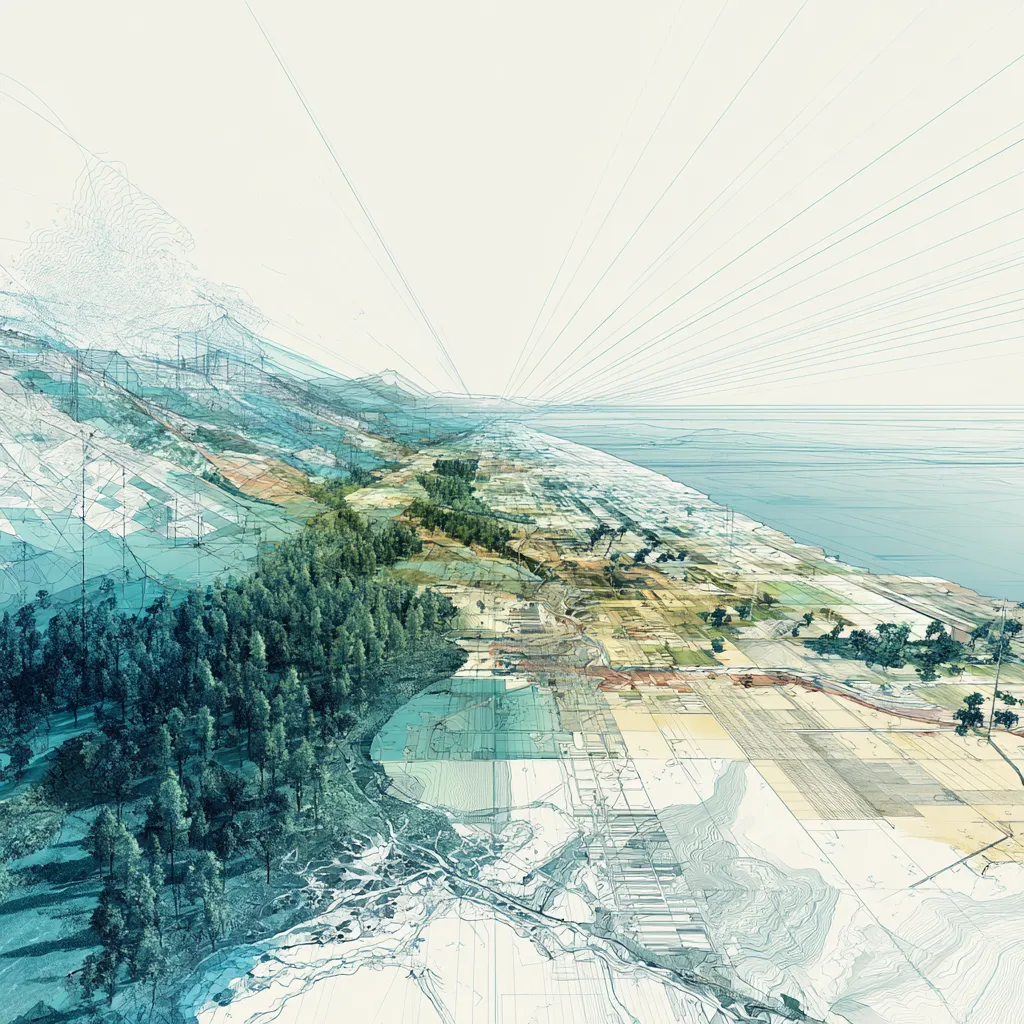
 Subsidiarity & Solidarity
Authority defaults to the most local competent level. Centralization bears the burden of justification. But subsidiarity entails solidarity: when any part of the community faces a crisis beyond its capacity, the larger community has a structural obligation to respond.
 Structure
 Plural Sovereignty
Multiple overlapping political communities — geographic, cultural, indigenous, ecological. No fiction of undifferentiated unity.
 Structure
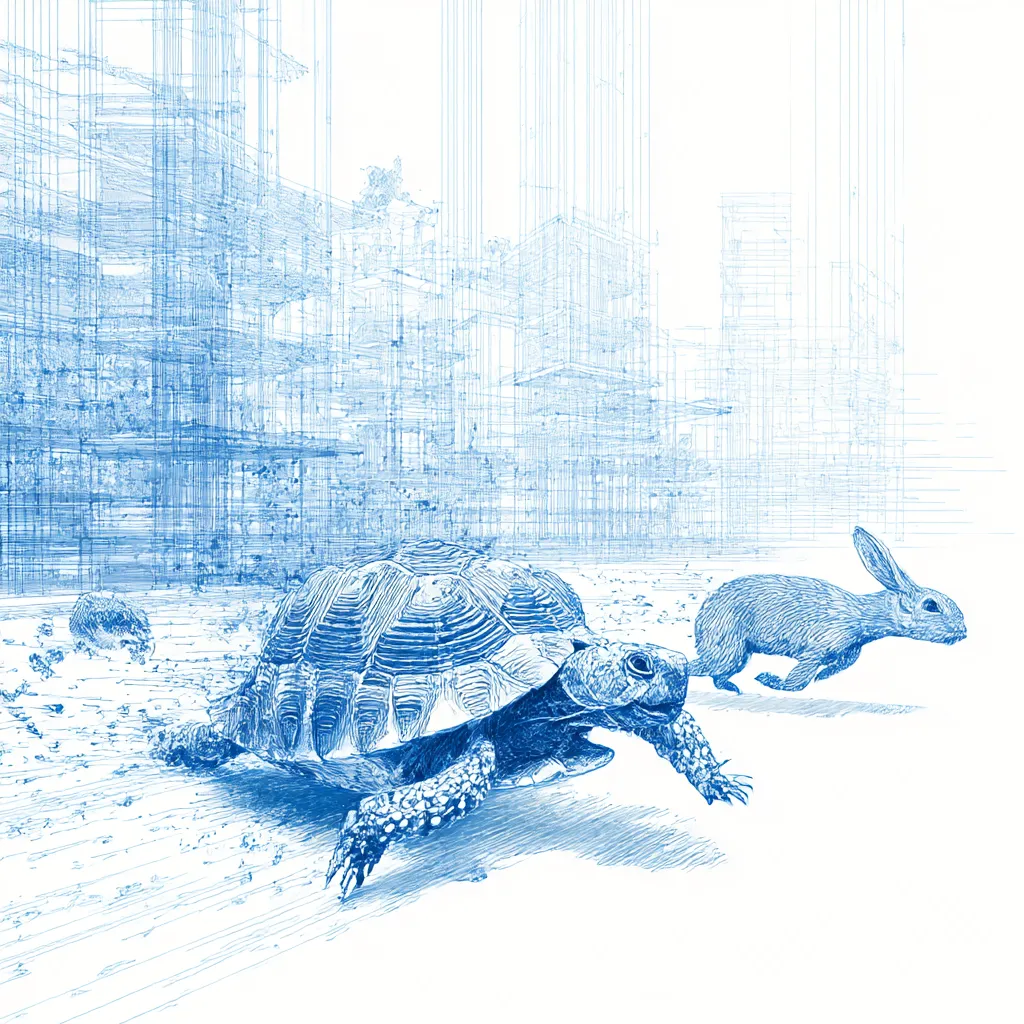
 Temporal Pluralism
Different institutions at different speeds for different purposes. Responsiveness and stability architecturally separated.
 Structure
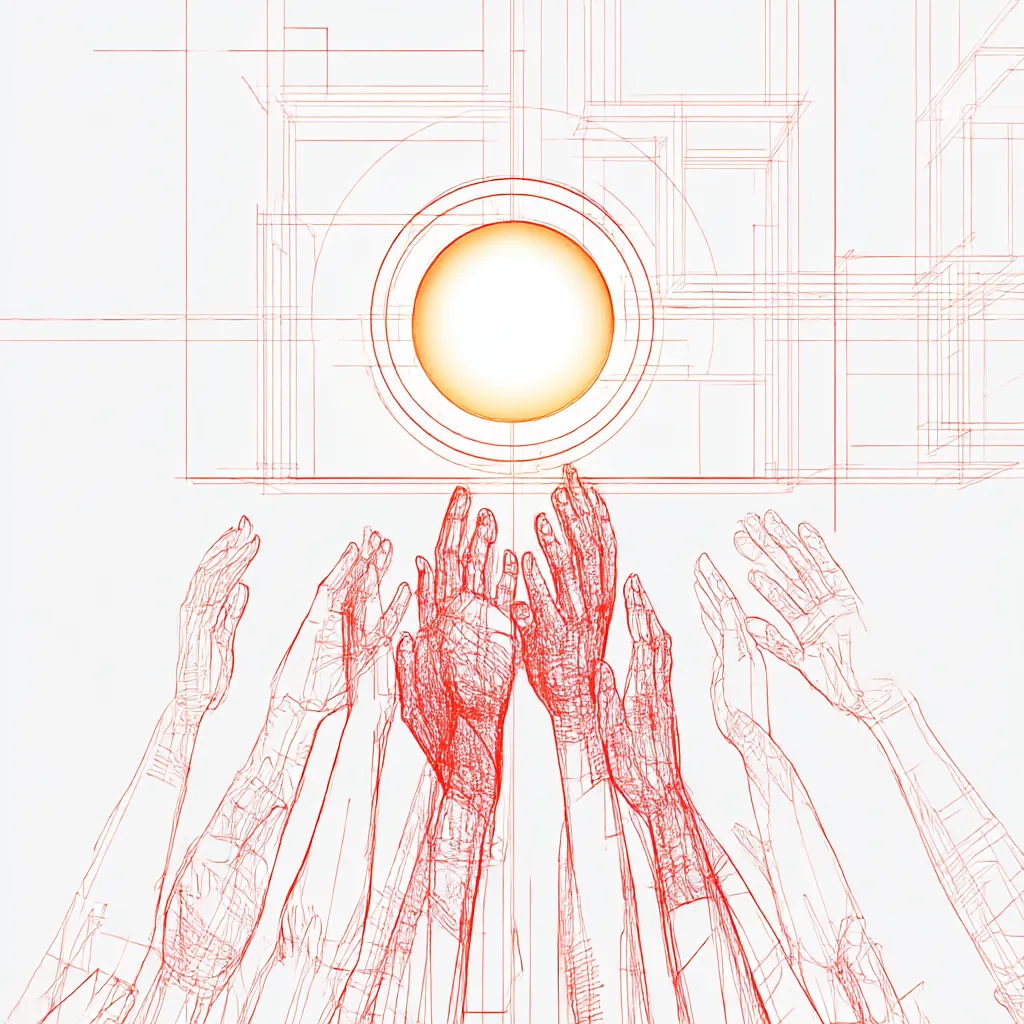
 Epistemic Pluralism
Different modes of knowledge built into different institutional roles. No single epistemology dominant.
 Protection
 Universal Human Rights
Non-negotiable minimum. Rights attach to all persons within jurisdiction, not only citizens.
 Protection
 Epistemic Autonomy
The right to participate authentically in the collective construction of shared understanding, free from systematic manipulation by state, private, or automated actors.
 Protection
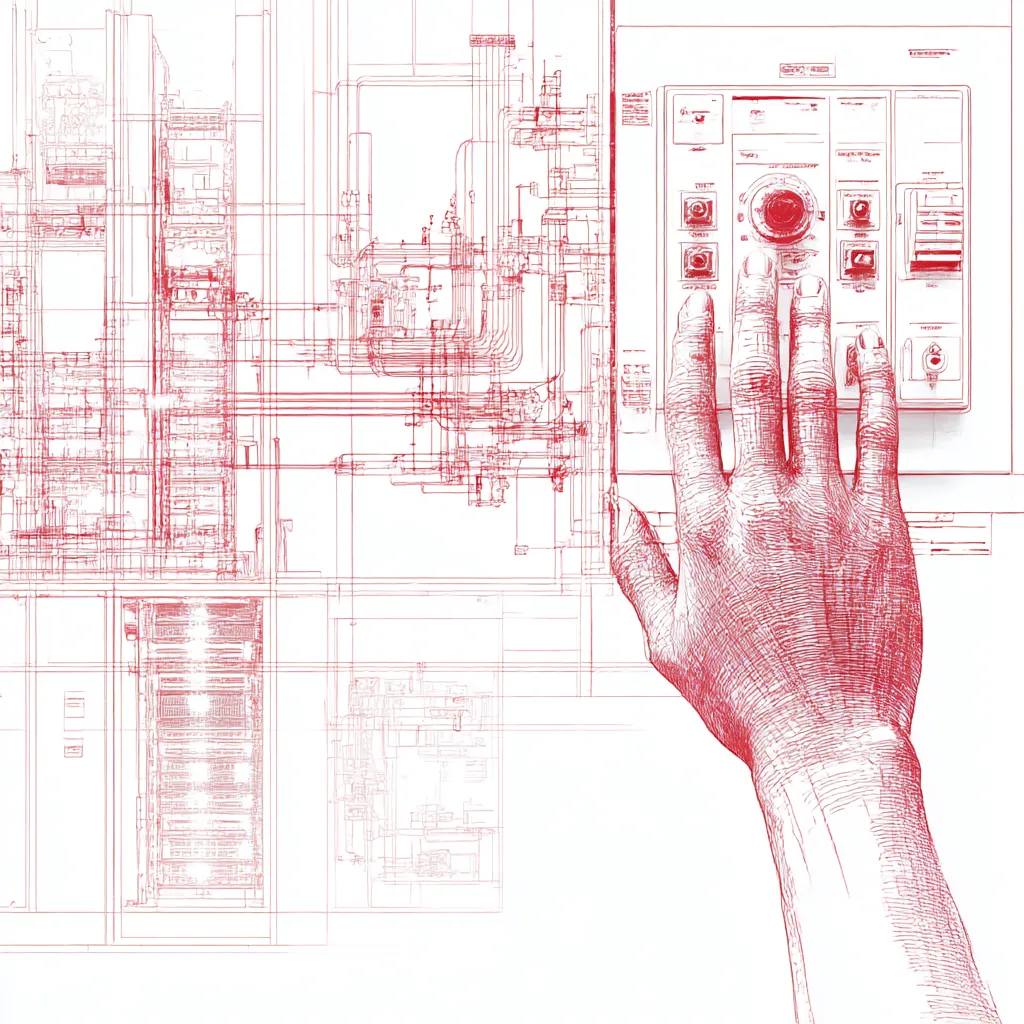
 Human Primacy
Not supremacy over nature — authority over machines. Human judgment required over fundamental rights decisions. No person may be denied a right, a benefit, or their liberty by a machine.
 Protection
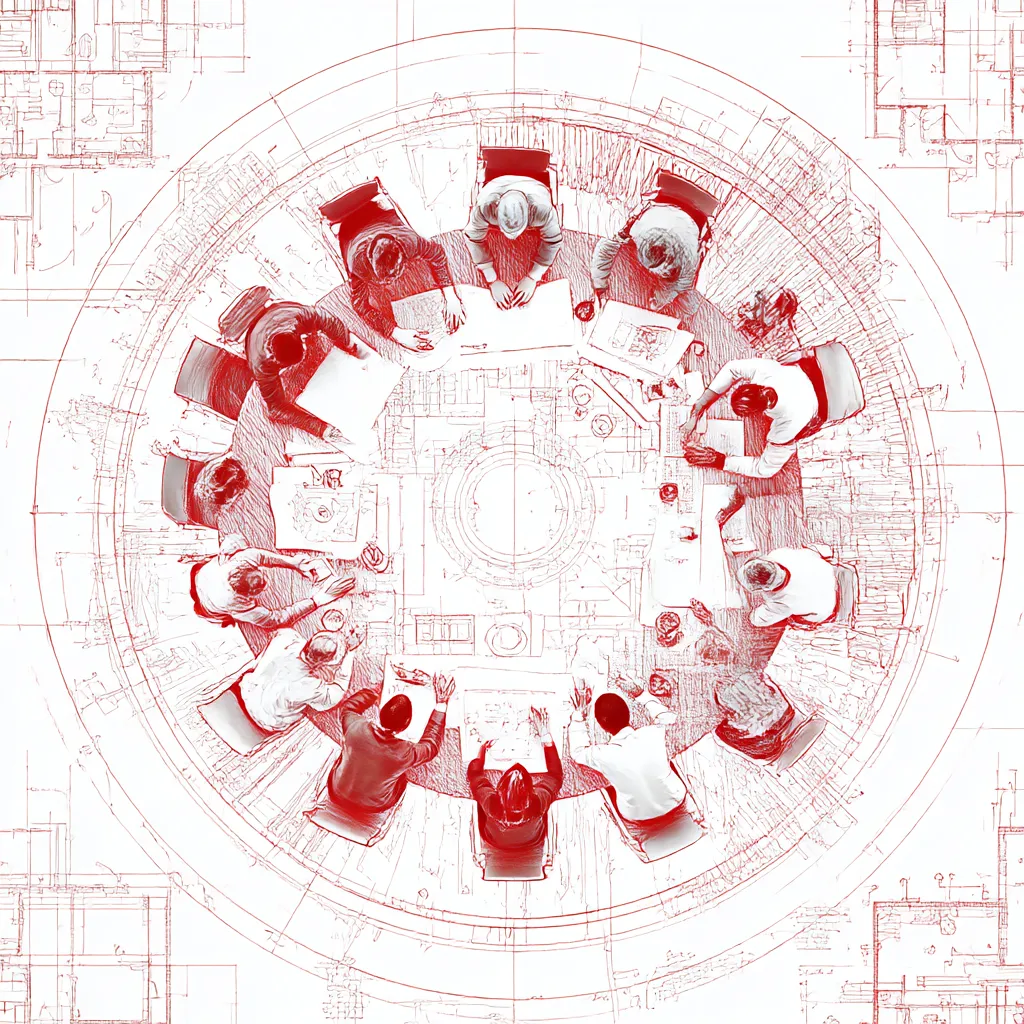
 Economic Democracy
Right to participate in governance of economic institutions. Extreme wealth concentration incompatible with democracy.
 Protection
 Democratic Sovereignty over Institutions
No institutional form confers immunity from democratic accountability. Jurisdiction follows impact.
 Protection
 The Inalienable Commons
Shared wealth, including natural resources, the atmosphere, public research, data, and the electromagnetic spectrum, is held in trust and cannot be enclosed or privatized.
 Protection
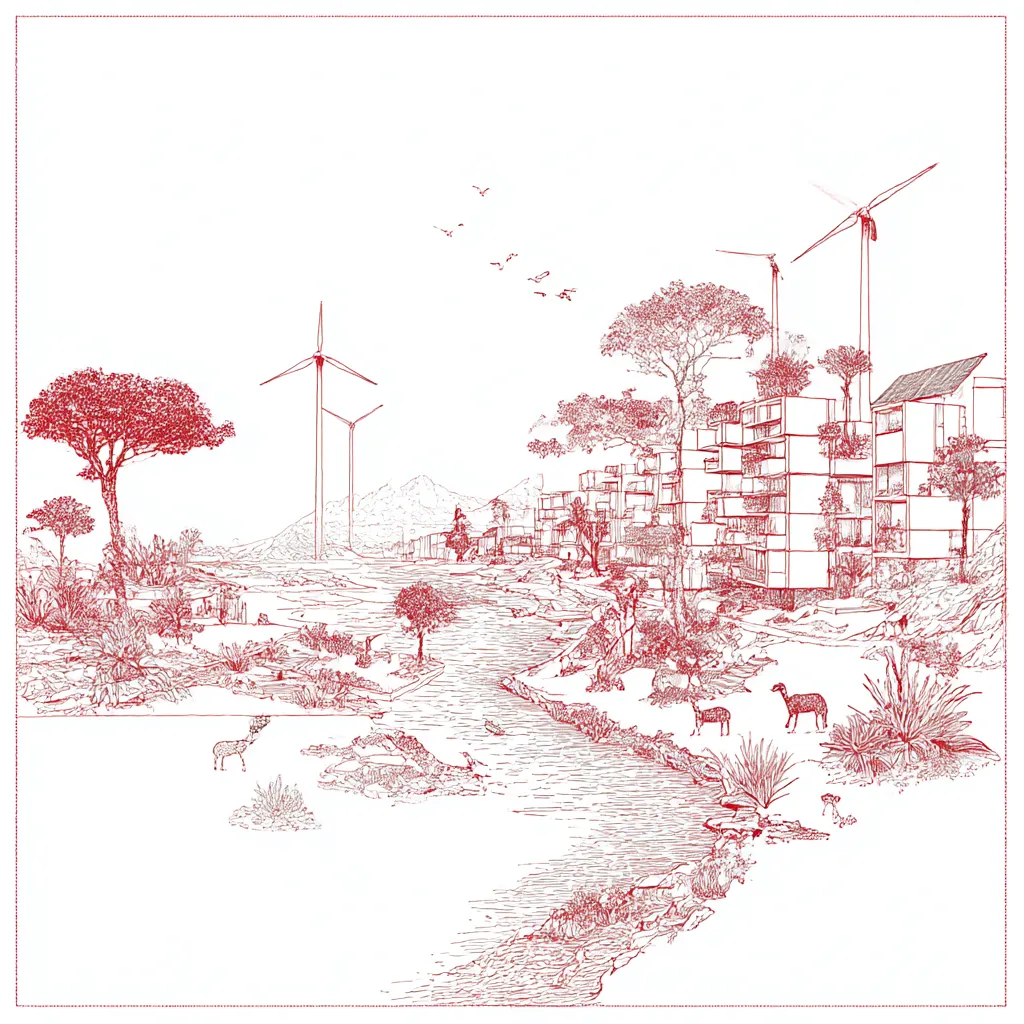
 Ecological Embeddedness
Governance within biophysical limits. Natural systems possess intrinsic value and legal standing. Structural representation for future generations and non-human systems.
 Protection
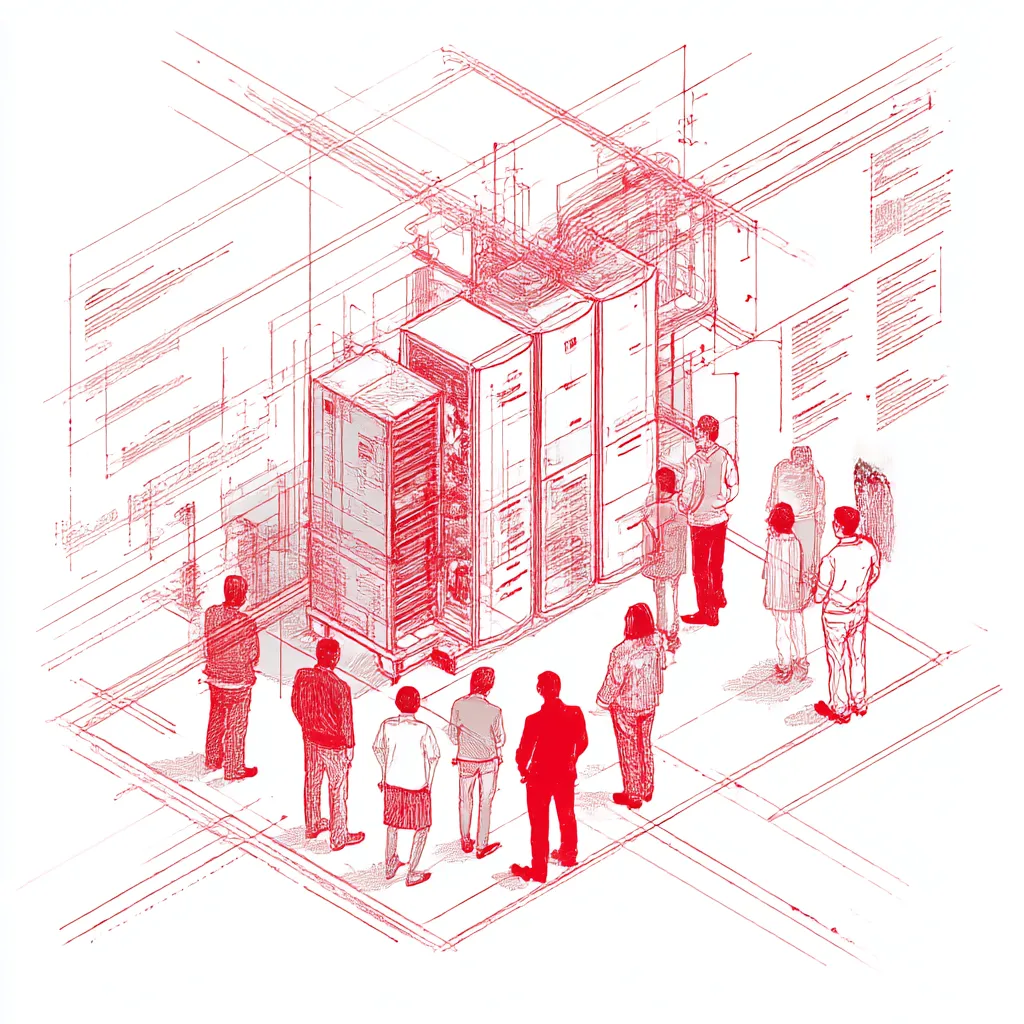
 Civic Technology Sovereignty
Civic infrastructure must be publicly owned, transparent, auditable, comprehensible.
 Protection
 Democratic Peace & Security
Force subject to the most rigorous democratic constraints. War-making collective and deliberative.
 Protection
 Cooperative Sovereignty
External relationships governed by same principles as internal: mutual respect, non-domination, democratic accountability.
Structure Adaptive Capacity
Any fundamental law that cannot be amended by the living political community within a generation is democratically illegitimate.
Read more Structure Subsidiarity & Solidarity
Authority defaults to the most local competent level. Centralization bears the burden of justification. But subsidiarity entails solidarity: when any part of the community faces a crisis beyond its capacity, the larger community has a structural obligation to respond.
Read more Structure Plural Sovereignty
Multiple overlapping political communities — geographic, cultural, indigenous, ecological. No fiction of undifferentiated unity.
Read more Structure Temporal Pluralism
Different institutions at different speeds for different purposes. Responsiveness and stability architecturally separated.
Read more Structure Epistemic Pluralism
Different modes of knowledge built into different institutional roles. No single epistemology dominant.
Read more Protection Universal Human Rights
Non-negotiable minimum. Rights attach to all persons within jurisdiction, not only citizens.
Read more Protection Epistemic Autonomy
The right to participate authentically in the collective construction of shared understanding, free from systematic manipulation by state, private, or automated actors.
Read more Protection Human Primacy
Not supremacy over nature — authority over machines. Human judgment required over fundamental rights decisions. No person may be denied a right, a benefit, or their liberty by a machine.
Read more Protection Economic Democracy
Right to participate in governance of economic institutions. Extreme wealth concentration incompatible with democracy.
Read more Protection Democratic Sovereignty over Institutions
No institutional form confers immunity from democratic accountability. Jurisdiction follows impact.
Read more Protection The Inalienable Commons
Shared wealth, including natural resources, the atmosphere, public research, data, and the electromagnetic spectrum, is held in trust and cannot be enclosed or privatized.
Read more Protection Ecological Embeddedness
Governance within biophysical limits. Natural systems possess intrinsic value and legal standing. Structural representation for future generations and non-human systems.
Read more Protection Civic Technology Sovereignty
Civic infrastructure must be publicly owned, transparent, auditable, comprehensible.
Read more Protection Democratic Peace & Security
Force subject to the most rigorous democratic constraints. War-making collective and deliberative.
Read more Protection Cooperative Sovereignty
External relationships governed by same principles as internal: mutual respect, non-domination, democratic accountability.
Read more
The Inheritance
On the Shoulders of Giants
Many principles embedded in existing democratic traditions are sound: due process, freedom of conscience, separation of powers, civilian control of the military, the rejection of hereditary privilege, and more. The crisis is not with these principles. It is with institutional designs that have failed to protect them.
We claim these traditions more seriously than those defending the status quo. We insist on fulfilling what they promised but could not deliver.
In Practice
The Principles Applied
The principles are the intellectual architecture. Most people think in terms of issues. These topic pages show how the principles apply to the things you care about.
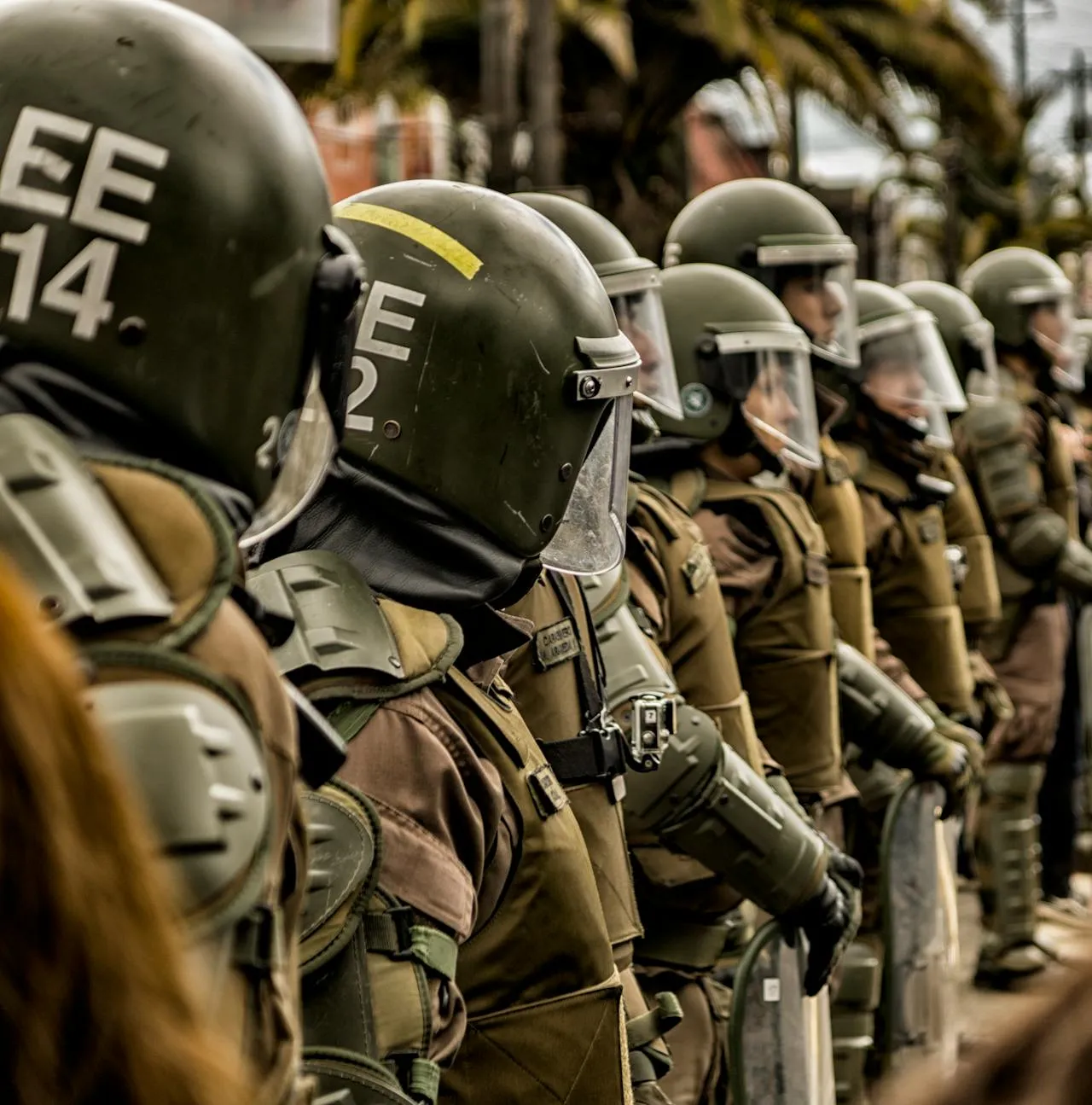
Preventing & Defeating Authoritarianism
How the entire framework is designed to make authoritarian capture structurally impossible.
Read the topic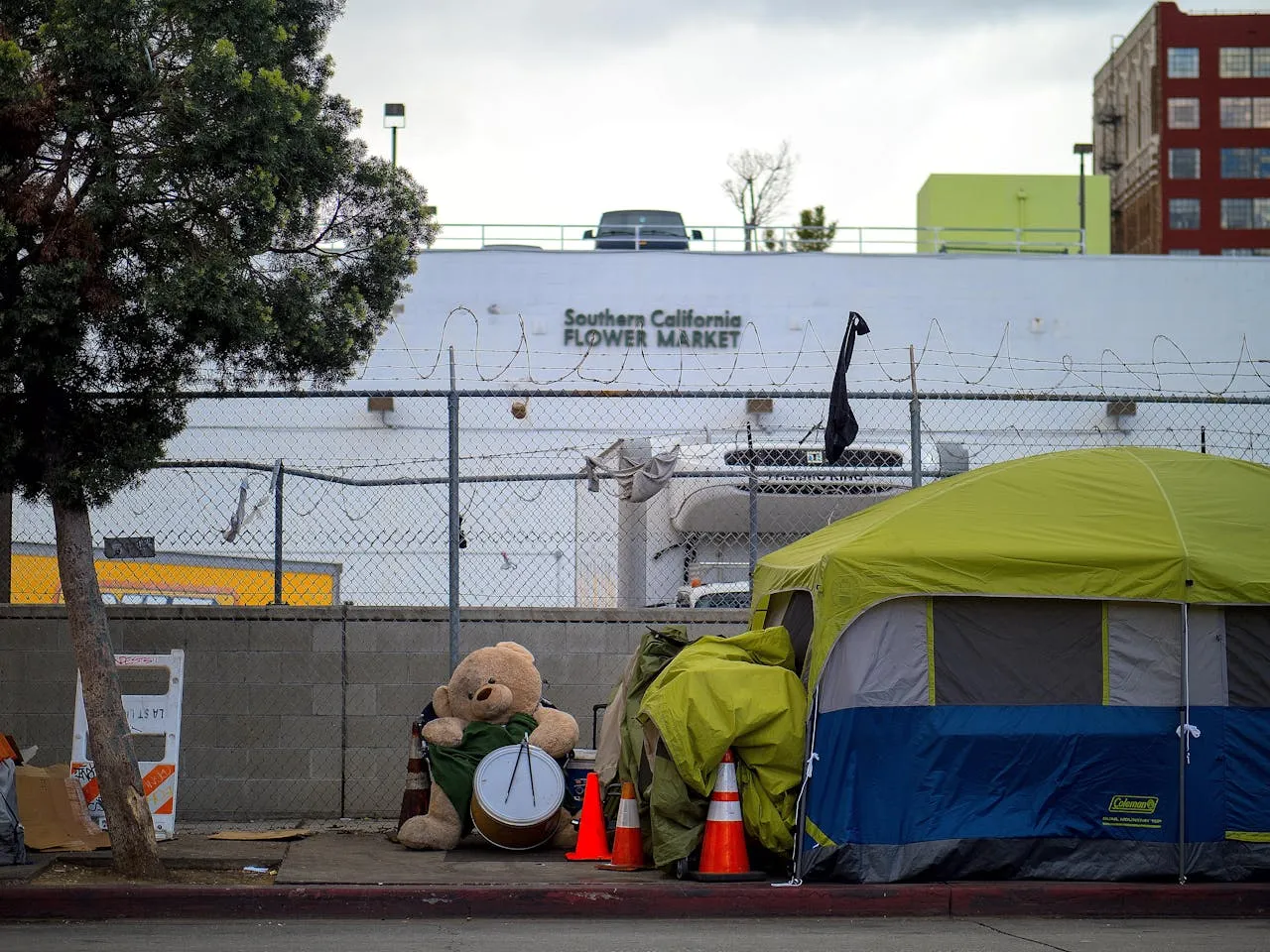
Wealth Inequality & Oligarchy
Why extreme wealth concentration is inherently incompatible with democracy, and what governance designed to prevent it looks like.
Read the topicHelp us develop: Education, Immigration, Healthcare, Criminal Justice, Climate & Environment, Labor & Work, Technology & Privacy, Money & Politics.

Open Source
Contribute
This is an open project. The principles are developed in the open and contributions are welcome from anyone: scholars, organizers, lawyers, technologists, citizens.
You can contribute essays and analysis on how the principles apply to issues you know. You can propose institutional mechanisms that serve the principles. You can bring comparative examples from other democratic traditions. You can translate.
The preferred way to contribute is through git and the project's source repository, but we also accept contributions through Google Docs. All content is licensed CC BY-SA.
Stay Connected
Join the mailing list
Follow the project's development and get notified of new content and opportunities to contribute.