 Structure
 Adaptive Capacity
Any fundamental law that cannot be amended by the living political community within a generation is democratically illegitimate.
Read the principleThe Fifteen
Fifteen design principles in two tiers: five structural principles that determine how institutions are organized, and ten substantive commitments that define what governance is obligated to protect. Read them as a system, not a list. The tension between the tiers is productive and must be held, not resolved.
These principles do not start from zero. Many extend commitments already present in the American democratic tradition that the current institutional implementation has failed to deliver. Others address conditions the tradition never anticipated. Together with what they inherit, they describe a constitutional architecture adequate to the world we actually inhabit.
Structure
Principles 01 to 05
Protection
Principles 06 to 15
Part I
Structural principles determine whether institutions can adapt, distribute power, and resist capture. They are the load-bearing architecture. If structure fails, no right is secure.
Structure Any fundamental law that cannot be amended by the living political community within a generation is democratically illegitimate.
Read the principle Structure
 Authority defaults to the most local competent level. Centralization bears the burden of justification. But subsidiarity entails solidarity: when any part of the community faces a crisis beyond its capacity, the larger community has a structural obligation to respond.
Read the principle Structure
 Multiple overlapping political communities — geographic, cultural, indigenous, ecological. No fiction of undifferentiated unity.
Read the principle Structure
 Different institutions at different speeds for different purposes. Responsiveness and stability architecturally separated.
Read the principle Structure
 Different modes of knowledge built into different institutional roles. No single epistemology dominant.
Read the principlePart II
Substantive commitments describe the conditions every structural arrangement is obligated to serve. They are why the architecture exists. Without them, structure is only procedure.
 Protection
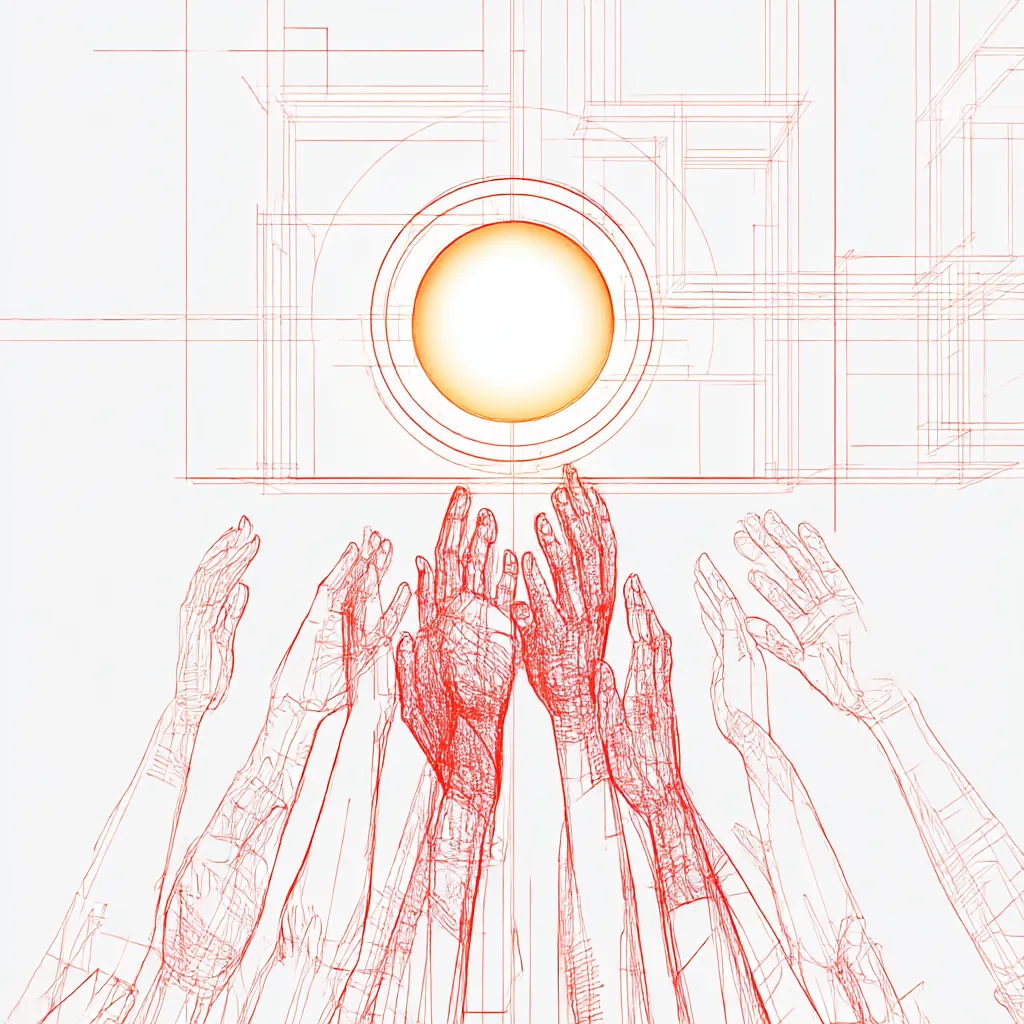
 Non-negotiable minimum. Rights attach to all persons within jurisdiction, not only citizens.
Read the principle Protection
 The right to participate authentically in the collective construction of shared understanding, free from systematic manipulation by state, private, or automated actors.
Read the principle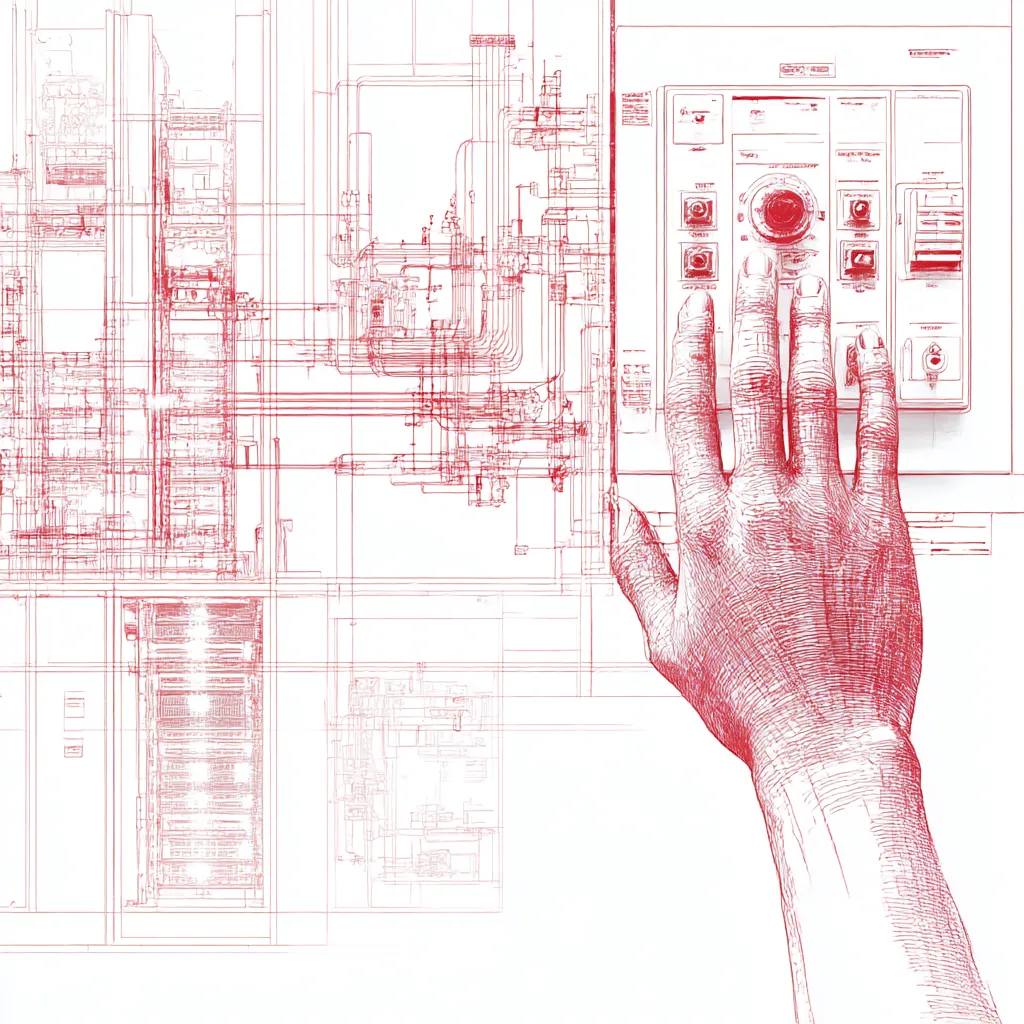 Protection
 Not supremacy over nature — authority over machines. Human judgment required over fundamental rights decisions. No person may be denied a right, a benefit, or their liberty by a machine.
Read the principle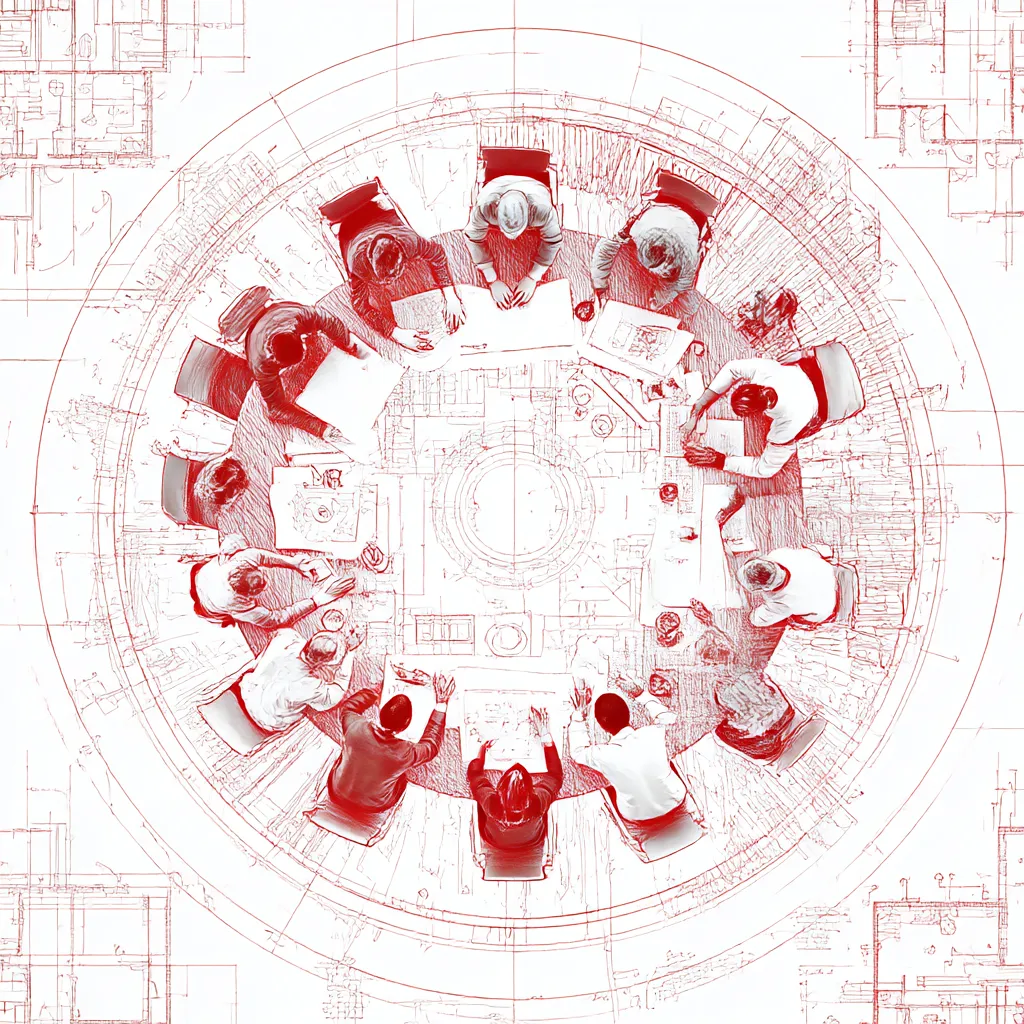 Protection
 Right to participate in governance of economic institutions. Extreme wealth concentration incompatible with democracy.
Read the principle Protection
 No institutional form confers immunity from democratic accountability. Jurisdiction follows impact.
Read the principle Protection
 Shared wealth, including natural resources, the atmosphere, public research, data, and the electromagnetic spectrum, is held in trust and cannot be enclosed or privatized.
Read the principle Protection
 Governance within biophysical limits. Natural systems possess intrinsic value and legal standing. Structural representation for future generations and non-human systems.
Read the principle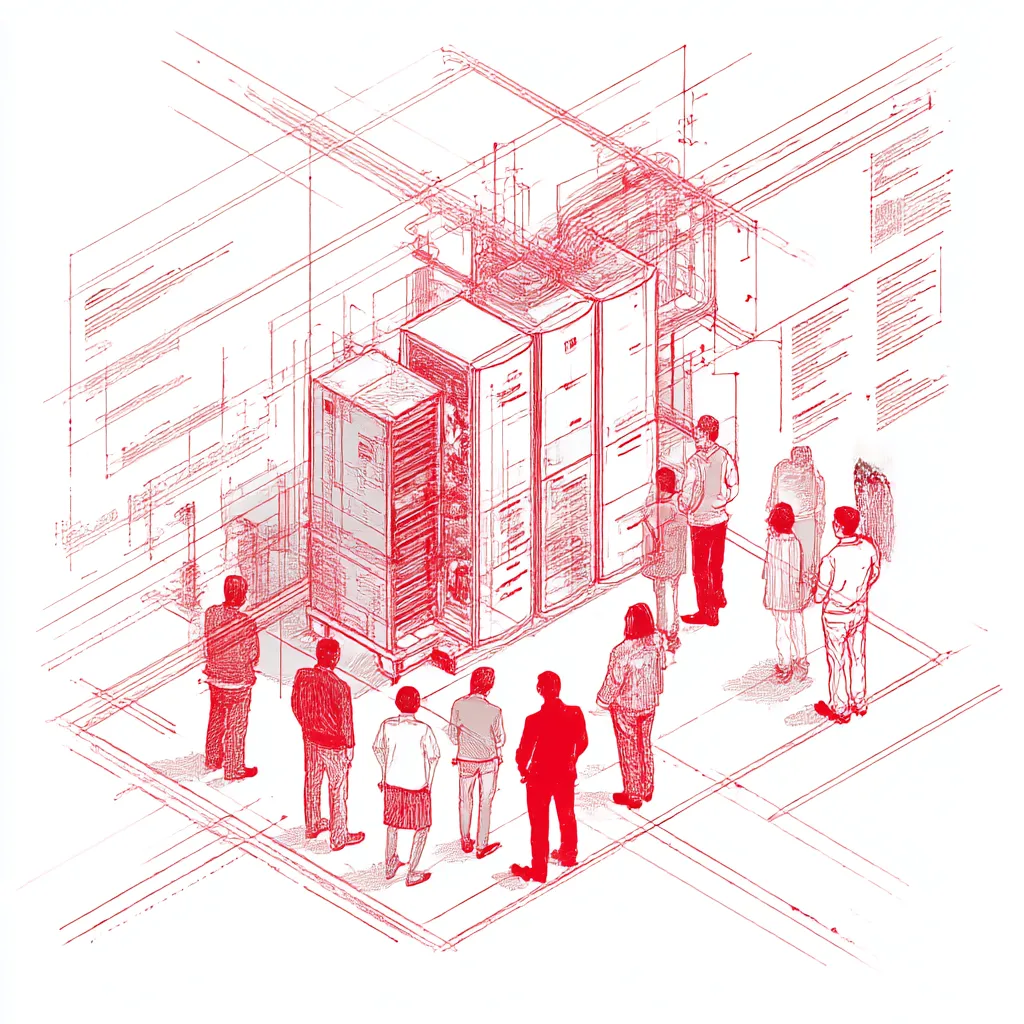 Protection
 Civic infrastructure must be publicly owned, transparent, auditable, comprehensible.
Read the principle Protection
 Force subject to the most rigorous democratic constraints. War-making collective and deliberative.
Read the principle Protection
 External relationships governed by same principles as internal: mutual respect, non-domination, democratic accountability.
Read the principle